News

How Does a Single Phase Multifunction Energy Meter Improve Energy Monitoring?

2026-09-07 0 Leave me a message

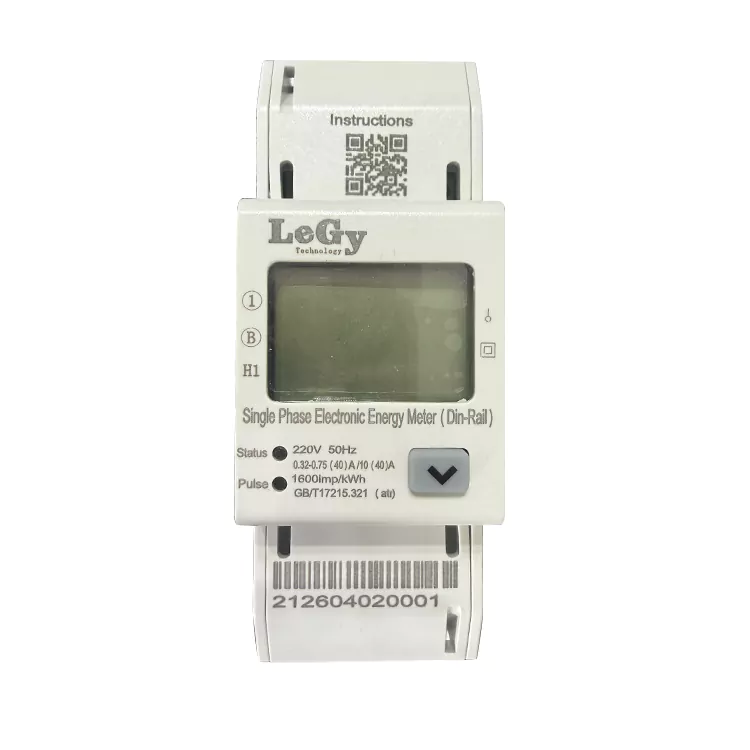
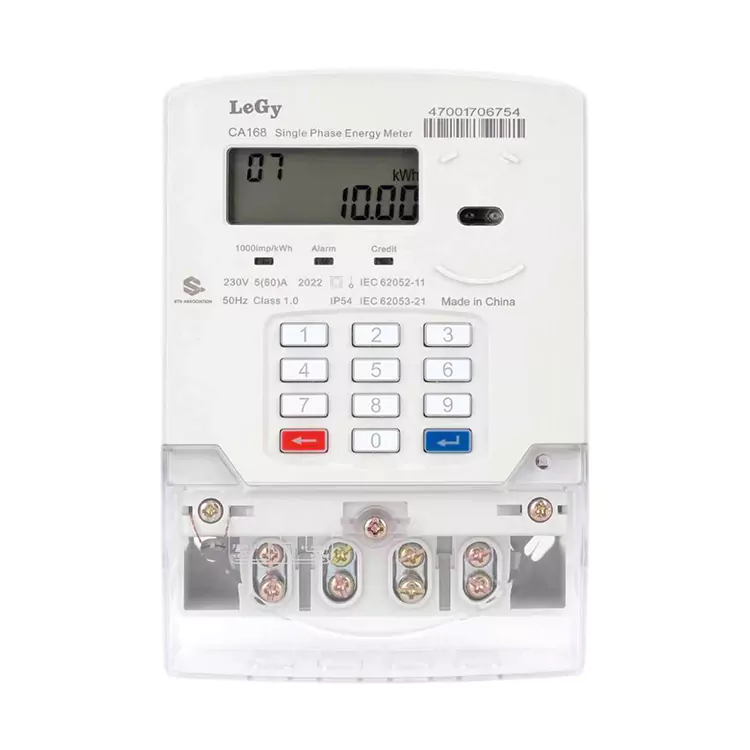
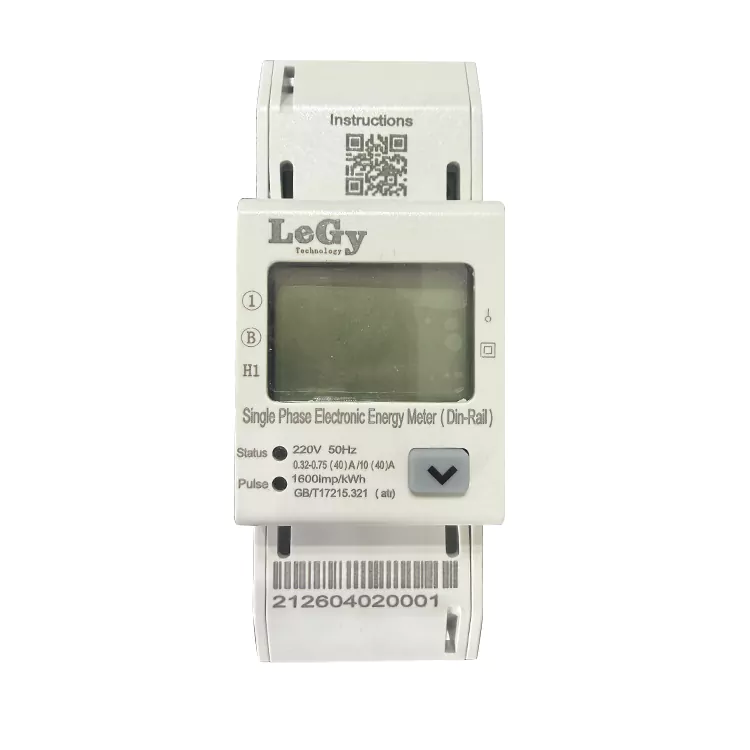
Energy consumption is becoming increasingly important for residential properties, commercial buildings, workshops, small factories, retail facilities, and distributed electrical systems. Without accurate measurement, users may struggle to understand where electricity is being consumed, identify abnormal loads, control operating costs, or maintain stable electrical performance. A Single Phase Multifunction Energy Meter provides a practical solution by combining several electrical measurement functions into one compact device.

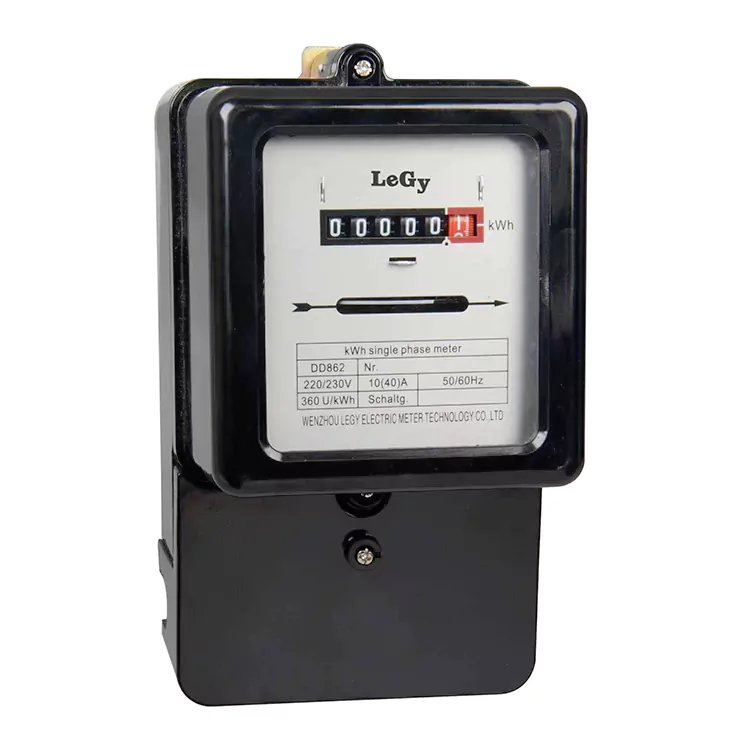
Unlike a basic energy meter that may only record accumulated electricity consumption, a multifunction meter can provide information such as voltage, current, active power, power factor, frequency, energy consumption, and other operating parameters. This broader view helps users make informed decisions about energy use and electrical equipment performance.

This guide explains the major functions, applications, advantages, installation considerations, communication capabilities, and selection factors of single-phase multifunction energy meters, while also showing how reliable measurement can support better energy management.

Single Phase Multifunction Energy Meter

Table of Contents

  1. Understanding the Single Phase Multifunction Energy Meter
  2. Core Measurement Functions
  3. Why Accurate Energy Monitoring Matters
  4. Common Applications and Use Cases
  5. Key Benefits for Users
  6. Installation and Configuration Considerations
  7. Communication and Smart Energy Management
  8. Important Factors for Selecting a Meter
  9. Basic Energy Meter vs Multifunction Energy Meter
  10. What to Look for in a Reliable Meter Manufacturer
  11. Frequently Asked Questions
  12. Final Thoughts

Understanding the Single Phase Multifunction Energy Meter

A Single Phase Multifunction Energy Meter is an electrical measurement device designed for single-phase power systems. It measures and displays multiple electrical parameters rather than focusing on electricity consumption alone. This makes it useful for applications where users need a more complete understanding of electrical operating conditions.

In a typical single-phase circuit, the meter monitors electrical quantities and processes the measurement data through its internal electronic system. Depending on the model, the measured information can be displayed locally on a digital screen, transmitted through a communication interface, or integrated into a broader energy management platform.

The multifunction design is particularly valuable when electrical loads vary throughout the day. Instead of relying only on monthly electricity bills or manually recorded readings, operators can obtain more detailed information and respond to unusual consumption patterns much faster.

Core Measurement Functions

The exact specifications vary by model, but a multifunction energy meter commonly monitors several of the following parameters:

Parameter Purpose Practical Value
Voltage Monitors electrical voltage Helps identify abnormal voltage conditions
Current Measures load current Supports load analysis and capacity management
Active Power Shows real power consumption Helps locate energy-intensive equipment
Power Factor Indicates electrical utilization efficiency Supports electrical system optimization
Frequency Monitors supply frequency Provides additional operating information
Energy Records accumulated consumption Useful for billing, budgeting, and energy tracking

Why Accurate Energy Monitoring Matters

Rising electricity costs and increasingly complex electrical loads make energy visibility more important than ever. Many users know their total electricity consumption but cannot easily determine which machines, circuits, or operating periods are responsible for the highest demand.

A multifunction meter helps close this information gap. By monitoring voltage, current, power, and accumulated energy, users can build a clearer picture of how an electrical system behaves over time. This can help reveal inefficient equipment, unexpected loads, excessive standby consumption, or changes in operating conditions.

Accurate measurement can also support preventive maintenance. A sudden change in electrical readings may provide an early indication that equipment requires inspection. While a meter does not replace professional electrical diagnostics, its measurement data can provide useful information for maintenance teams.

Common Applications and Use Cases

Single-phase multifunction energy meters are suitable for many environments where reliable electrical measurement is required. Typical applications include:

  • Residential buildings: Monitoring household electricity consumption and individual circuits.
  • Commercial buildings: Tracking lighting, office equipment, HVAC-related loads, and other electrical systems.
  • Retail stores: Understanding electricity consumption across different operating areas.
  • Workshops: Monitoring individual machines and production-related loads.
  • Small factories: Supporting energy accounting and equipment management.
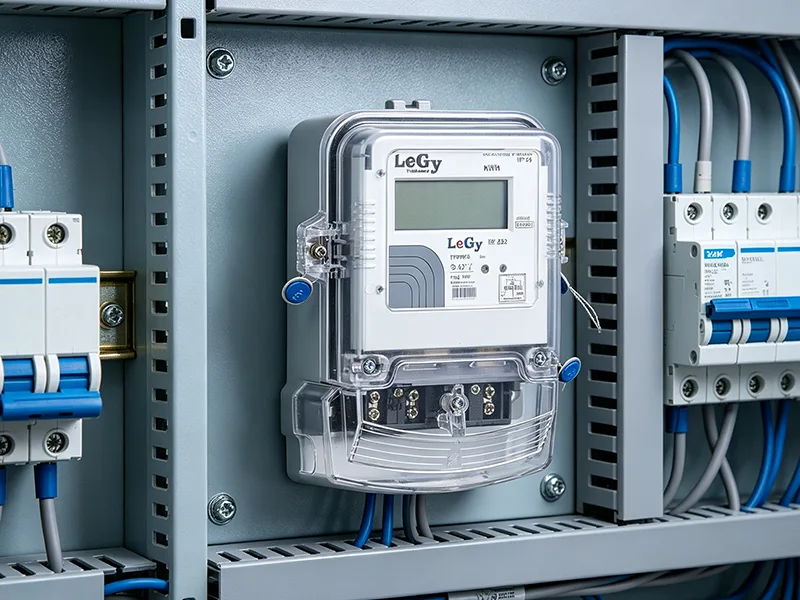
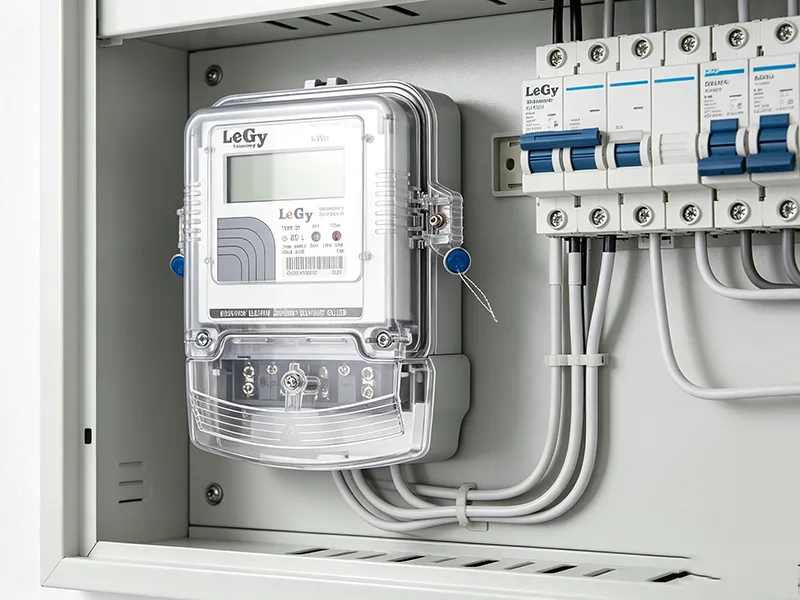
  • Electrical distribution panels: Providing real-time measurements for connected circuits.
  • Solar and distributed energy systems: Monitoring electricity flow and consumption within compatible system configurations.

Key Benefits for Users

1. Multiple Measurements

One device can replace several individual measurement instruments in many applications.

2. Better Visibility

Users gain a clearer understanding of electrical loads and consumption patterns.

3. Space Efficiency

A multifunction meter can provide several measurement capabilities within one compact installation.

4. Energy Management

Recorded data can help users identify unnecessary consumption and improve operating practices.

The greatest value comes when measurement data is converted into action. For example, if a workshop discovers that a machine consumes significantly more power during idle periods than expected, operators can investigate operating schedules or equipment settings rather than simply accepting higher electricity costs.

Installation and Configuration Considerations

Correct installation is essential for reliable measurement. Before installation, users should confirm the electrical system configuration, rated voltage, current range, wiring method, frequency, communication requirements, and physical dimensions.

The meter should be installed by a qualified professional in accordance with applicable electrical safety requirements. Wiring terminals must be correctly identified, connections securely tightened, and the installation protected from conditions beyond the product's specified operating range.

Buyers should also pay attention to the display and configuration interface. A clear digital display makes local readings easier to interpret, while intuitive settings can reduce commissioning time. For projects involving multiple meters, standardized configuration and communication capabilities can make system management more convenient.

Communication and Smart Energy Management

Modern energy management increasingly depends on data rather than occasional manual readings. Depending on the product configuration, multifunction energy meters may support communication interfaces such as RS485 and protocols commonly used for industrial monitoring systems.

When communication is available, measurement data can potentially be collected by a supervisory system, energy management platform, building management system, or other compatible monitoring equipment. This allows users to move from isolated meter readings toward centralized energy visibility.

For commercial and industrial projects, communication capability should therefore be evaluated together with measurement accuracy. A meter that provides the required data in a format compatible with the existing system can significantly simplify future expansion and data management.

Important Factors for Selecting a Meter

Choosing a suitable Single Phase Multifunction Energy Meter requires more than comparing prices. The product should match the actual electrical system and project requirements.

  1. Measurement accuracy: Check the applicable accuracy specifications for energy and electrical parameters.
  2. Rated electrical range: Confirm that voltage and current ranges match the intended application.
  3. Display quality: A clear display makes daily inspection easier.
  4. Communication: Consider RS485 or other supported interfaces when remote monitoring is required.
  5. Installation format: Confirm panel dimensions, mounting method, and terminal arrangement.
  6. Environmental conditions: Consider temperature, humidity, dust, and other installation conditions.
  7. Product documentation: Clear manuals and technical specifications simplify installation and maintenance.
  8. Supplier support: Technical assistance and stable after-sales service can be important for long-term projects.

Basic Energy Meter vs Multifunction Energy Meter

Feature Basic Energy Meter Multifunction Energy Meter
Energy consumption Usually available Available
Voltage monitoring May be limited Commonly available
Current monitoring May be limited Commonly available
Power factor Not always included Often included
Remote monitoring Model dependent Often supported in advanced models
System analysis Limited More comprehensive

A basic meter may be sufficient when the only requirement is accumulated energy measurement. However, multifunction equipment is more appropriate when users need broader electrical information for monitoring, maintenance, energy analysis, or centralized management.

What to Look for in a Reliable Meter Manufacturer

Product quality is only one part of a successful energy metering project. A reliable manufacturer should also provide consistent technical specifications, quality control, suitable documentation, responsive technical support, and the ability to meet different project requirements.

Wenzhou Legy Electric Meter Technology Co., Ltd. focuses on electric metering solutions and can be considered by customers looking for professional support in the selection and supply of electrical measurement products. For OEM, project-based, or bulk purchasing requirements, communication with the supplier before ordering can help confirm specifications, configuration, packaging, and other project details.

Buyers should request detailed product information before making a purchasing decision. This may include accuracy specifications, rated electrical parameters, installation dimensions, communication functions, environmental ratings, certifications, and available customization options.

Frequently Asked Questions

What is a Single Phase Multifunction Energy Meter?

It is a digital electrical measurement device designed for single-phase systems that can monitor multiple parameters, commonly including voltage, current, active power, power factor, frequency, and accumulated energy.

What is the main advantage of a multifunction energy meter?

Its main advantage is that multiple electrical parameters can be monitored through one device. This provides more useful information than energy-only measurement and can support energy management and equipment monitoring.

Can a single-phase multifunction meter be used in commercial buildings?

Yes. It can be used in suitable single-phase circuits within commercial buildings, retail stores, offices, workshops, and other facilities. The selected model should match the electrical specifications of the application.

Does a multifunction energy meter support remote monitoring?

Some models support communication interfaces that allow measurement data to be transferred to compatible monitoring or management systems. The specific interface and communication protocol should be confirmed before purchase.

How can an energy meter help reduce electricity costs?

The meter itself does not automatically reduce electricity consumption. Instead, it provides measurement data that helps users identify high-consumption equipment, unusual operating patterns, and opportunities for better energy management.

Is professional installation recommended?

Yes. Because the meter is connected to an electrical circuit, installation should be performed by a qualified professional following the applicable electrical safety requirements and the manufacturer's instructions.

What should buyers check before ordering a multifunction energy meter?

Buyers should verify rated voltage, current range, measurement accuracy, frequency, installation dimensions, display requirements, communication interfaces, environmental conditions, certifications, and supplier technical support.

Final Thoughts

A Single Phase Multifunction Energy Meter provides much more than a simple electricity reading. By bringing voltage, current, power, power factor, frequency, and energy information together, it gives users a clearer understanding of electrical system performance.

For homes, commercial facilities, workshops, distribution panels, and other single-phase applications, accurate measurement can support better energy management, more informed maintenance decisions, and improved operational visibility. When selecting a meter, users should look beyond the initial purchase price and evaluate measurement performance, installation requirements, communication capabilities, product reliability, and supplier support.

For customers seeking dependable metering solutions for individual installations, commercial projects, or bulk procurement, Wenzhou Legy Electric Meter Technology Co., Ltd. can provide product information and project-oriented assistance to help match the meter configuration with the intended application.

Need a Reliable Energy Metering Solution?

Whether you need single-phase multifunction energy meters for residential projects, commercial electrical systems, industrial applications, or bulk purchasing, choosing the right specifications is the first step toward reliable measurement. Contact Wenzhou Legy Electric Meter Technology Co., Ltd. to discuss your application, technical requirements, and product needs.

Contact us today for professional product information and metering solutions tailored to your project.

Related News
Leave me a message
X
We use cookies to offer you a better browsing experience, analyze site traffic and personalize content. By using this site, you agree to our use of cookies. Privacy Policy
RejectAccept