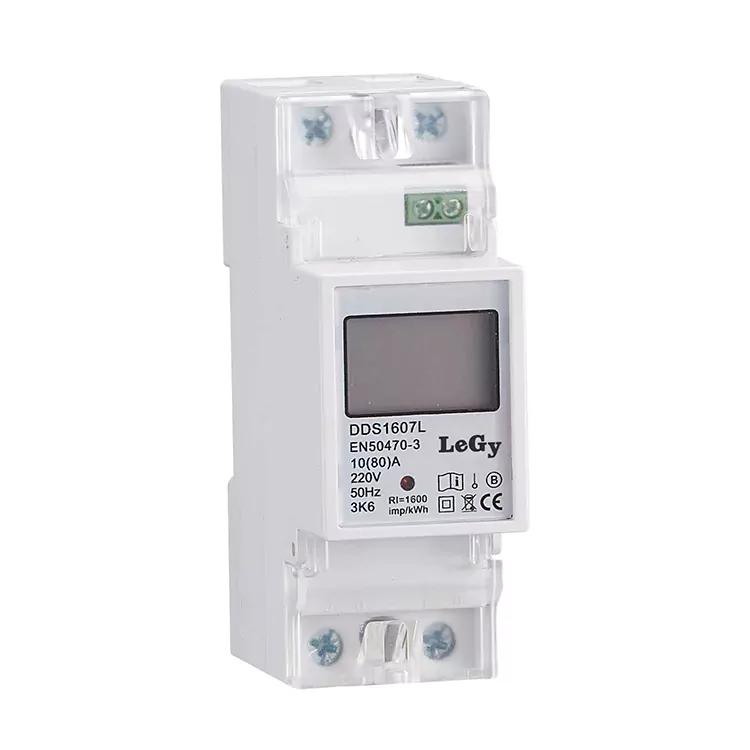
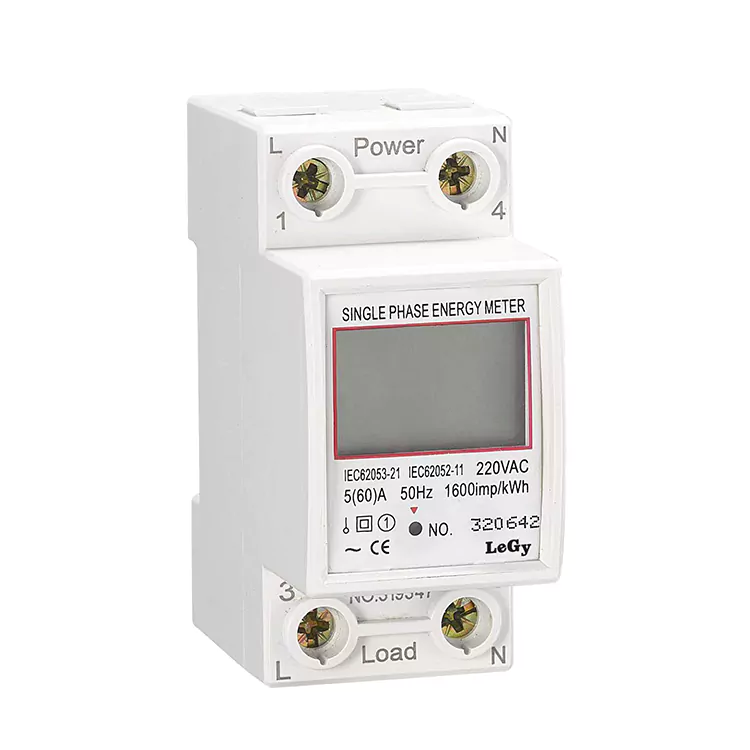
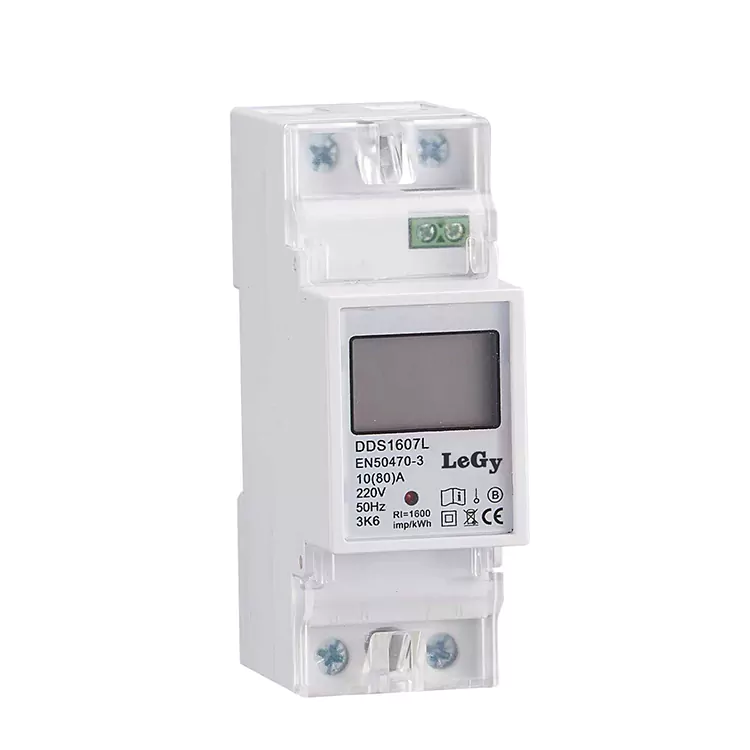
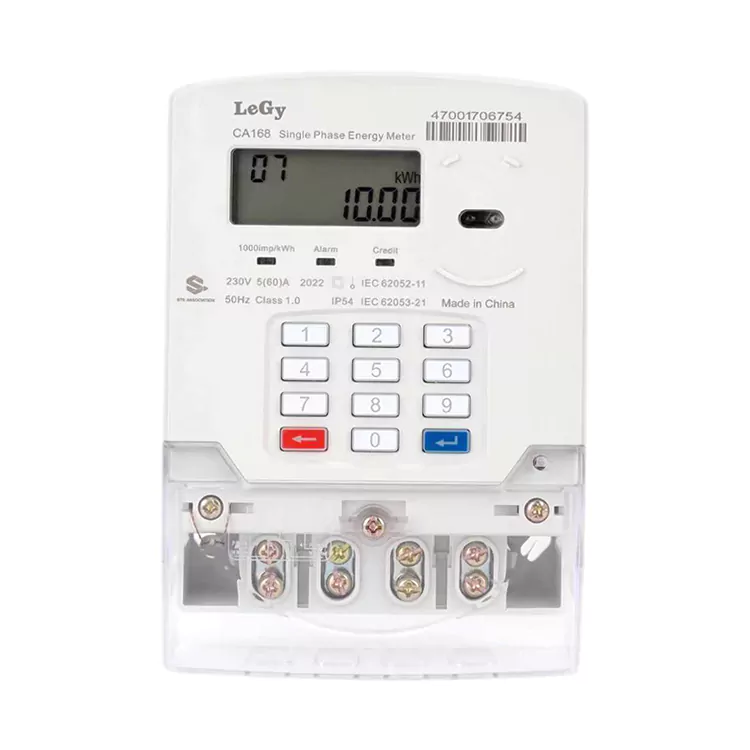
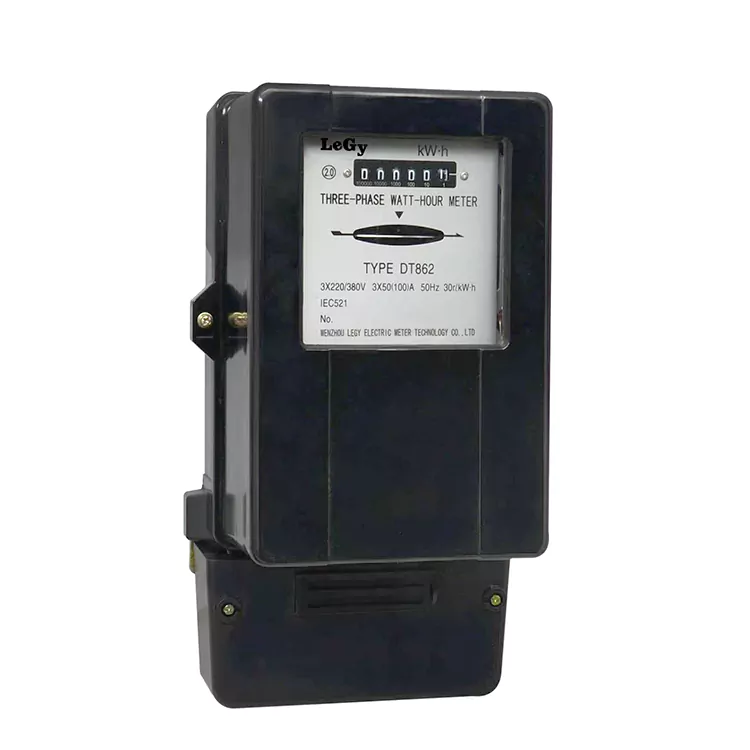
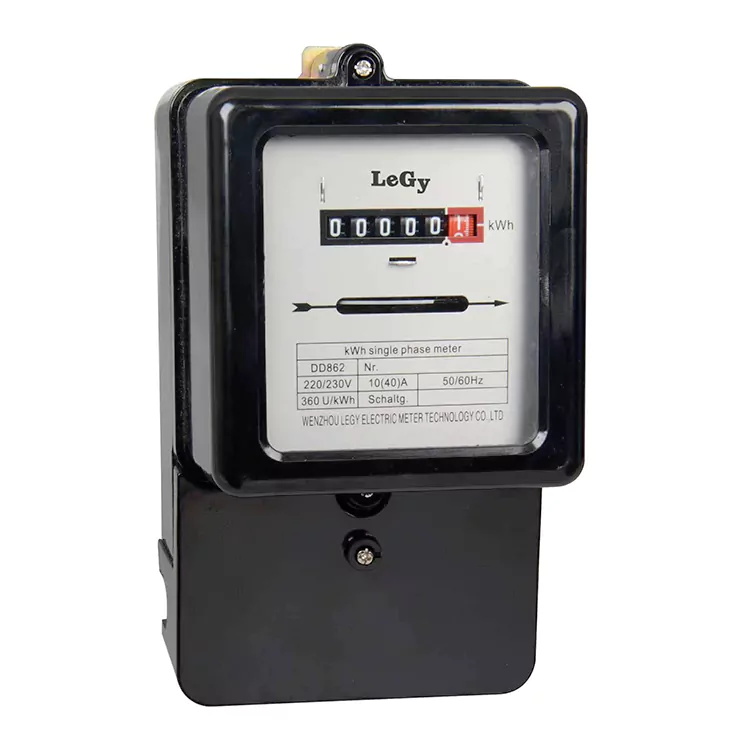
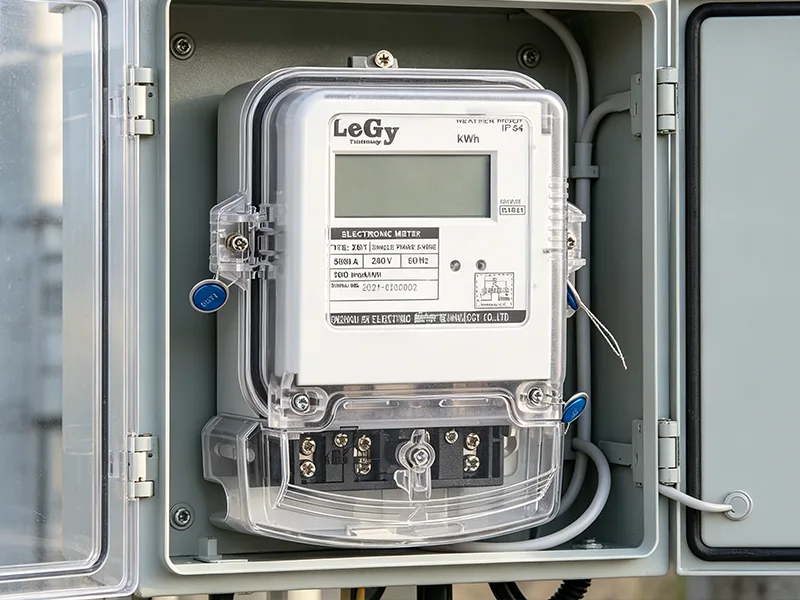
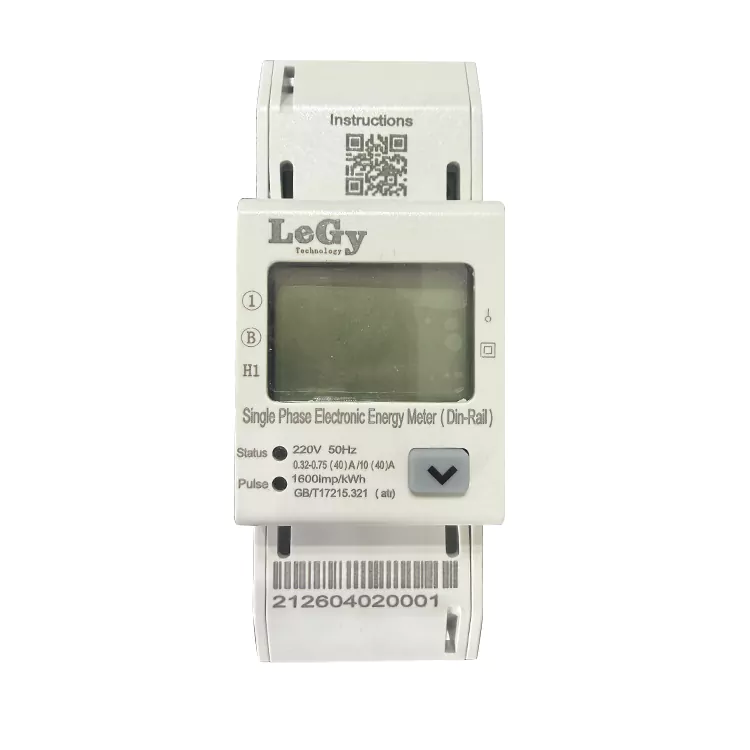
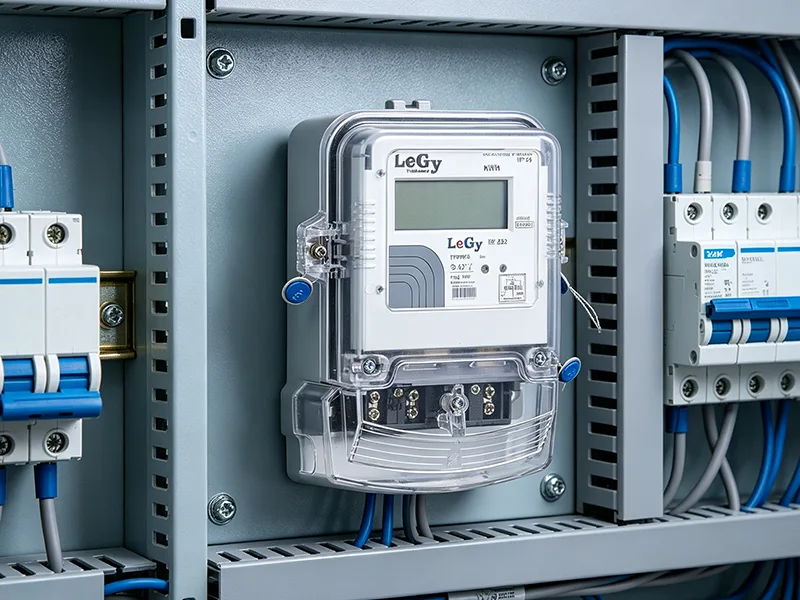
Accurate electricity measurement is important for commercial buildings, industrial facilities, workshops, and other sites using three-phase power distribution. In a three-phase four-wire system, the three phase conductors work together with a neutral conductor, creating a metering configuration that requires appropriate measurement of the individual phases. A Three Phase Four Wire Electromechanical Energy Meter is designed for this type of electrical network and provides a mechanical method for registering accumulated active energy consumption.
Unlike electronic meters that rely on digital displays and electronic measurement circuits, electromechanical meters use electromagnetic principles and a mechanical register to record energy consumption. This established design can still be relevant for applications where straightforward energy registration, visual reading, and a conventional meter structure are preferred. Legy provides energy metering products for different power distribution and electricity measurement requirements.
A three-phase four-wire system consists of three phase conductors and one neutral conductor. Common configurations include commercial and industrial low-voltage distribution systems where loads may be connected between individual phases and neutral or between phases.
Because the three phases can supply different loads, the measurement system needs to account for energy consumption across the three phases rather than treating the circuit as a simple single-phase installation. Three-phase four-wire metering therefore requires a suitable multi-element measurement arrangement.
Selecting a meter with the correct phase and wire configuration is important before installation. A meter designed for a three-phase four-wire network should match the electrical system's rated voltage, current range, frequency, and connection method.
Incorrect phase identification or wiring can affect measurement results. Research into three-phase four-wire installations has shown that connection errors involving phase conductors and measuring components can lead to inaccurate energy measurements.
Commercial buildings may contain lighting systems, HVAC equipment, elevators, pumps, and other electrical loads distributed across three phases. Energy meters can be used to monitor accumulated electricity consumption within suitable distribution circuits.
For buildings with conventional electrical infrastructure, an electromechanical meter can provide a straightforward method of reading cumulative energy through its mechanical register.
Factories and workshops commonly operate motors, compressors, machine tools, pumps, and other three-phase equipment. Monitoring energy consumption can help operators understand electricity usage and compare consumption between production periods.
A mechanical energy register can be useful where the application does not require advanced communication, remote data transmission, or digital energy-management functions.
Three-phase energy meters can also be used for suitable sub-metering applications where electricity consumption needs to be recorded for a defined electrical circuit, building area, workshop, or other load group.
The specific application should be evaluated according to local metering regulations, utility requirements, and the accuracy class required for the installation.
The meter's rated voltage should correspond to the electrical network where it will be installed. Three-phase four-wire systems can have different phase-to-neutral and phase-to-phase voltage arrangements, so buyers should confirm the actual system voltage before ordering.
For example, three-phase four-wire systems can be found in configurations such as 120/208 V and 277/480 V in certain markets.
The rated and maximum current range should be selected according to the expected load. A meter that is not matched to the electrical current conditions may not be suitable for the intended installation.
For higher-current installations, buyers should also determine whether direct connection or a current-transformer-based metering arrangement is required.
Accuracy requirements depend on the purpose of the meter. Commercial billing, industrial monitoring, internal sub-metering, and general energy observation may have different accuracy requirements.
Electromechanical energy meters are commonly evaluated through defined accuracy and registration tests. Regulatory requirements can also specify test points and permissible error limits for approved electricity meters.
The meter should be compatible with the frequency of the electrical network. Depending on the target market, power systems may operate at 50 Hz or 60 Hz, so frequency compatibility should be confirmed during product selection.
Traditional electromechanical energy meters use voltage and current coils to generate electromagnetic forces that drive a rotating disc. The speed of the disc is related to the electrical power being consumed, while the accumulated rotation is registered as electrical energy.
In three-phase four-wire designs, multiple measurement elements are used to account for the three phases. Their measurement effects are combined to produce the total registered energy.
Instead of converting the measurement result into a digital screen reading, an electromechanical meter can use a mechanical register to display accumulated energy consumption. This provides a direct visual indication of the recorded value.
The mechanical register can be useful in applications where users prefer a conventional display method and do not require communication-based energy management.
The phase conductors must be connected to the appropriate meter terminals according to the manufacturer's wiring diagram. Phase sequence and terminal identification should be checked before energizing the system.
Because the system contains a neutral conductor, the neutral connection must follow the specified wiring configuration. An incorrect neutral connection can affect the measurement circuit and should be avoided.
The meter should be installed according to the manufacturer's specified orientation and environmental conditions. Electromechanical meters can be affected by installation position and mechanical conditions, so proper mounting is important for maintaining measurement performance. Measurement verification standards specifically recognize that certain electromechanical meter accuracy characteristics can be affected by tilt.
Before putting the meter into service, installers should verify the wiring, voltage, current configuration, terminal connections, and mechanical register condition. Where the meter is used for regulated or billing-related measurement, applicable verification and calibration procedures should also be followed.
| Consideration | Electromechanical Meter | Digital Energy Meter |
|---|---|---|
| Display Method | Mechanical register | Electronic display |
| Measurement Principle | Electromagnetic and mechanical | Electronic sensing and processing |
| Communication | Usually limited or unavailable | Can support communication functions depending on design |
| Data Functions | Primarily cumulative energy registration | Can provide additional electrical parameters |
| Typical Application | Conventional energy measurement and suitable sub-metering | Smart monitoring and energy management |
| Maintenance Considerations | Mechanical components require consideration | Electronic components and communication functions require consideration |
The appropriate choice depends on the purpose of the installation. Applications requiring remote communication, real-time monitoring, multiple electrical parameters, or integration with energy-management systems may benefit from digital metering, while conventional applications may still use electromechanical designs.
The mechanical register provides a straightforward way to read accumulated energy consumption without depending on a digital interface. This can be useful for installations where basic visual energy registration is sufficient.
Electromechanical metering technology has been used for many years in electricity measurement. Its established operating principle can be suitable for markets and installations where conventional metering equipment remains in use.
Not every electricity measurement project requires communication interfaces or advanced data processing. Where the main requirement is cumulative active energy measurement, a conventional electromechanical design may provide an appropriate solution.
| Item | Buyer Consideration |
|---|---|
| Phase and Wire System | Confirm compatibility with the three-phase four-wire network |
| Rated Voltage | Match the meter with the actual electrical system |
| Current Range | Confirm rated and maximum current requirements |
| Frequency | Check compatibility with 50 Hz or 60 Hz systems |
| Accuracy Class | Select according to application and local requirements |
| Installation Method | Confirm panel, meter-box, or other mounting requirements |
| Display | Confirm mechanical register capacity and reading requirements |
| Certification | Check applicable market and regulatory requirements |
| Testing | Confirm factory testing and verification documentation where required |
Legy focuses on energy metering products for different electrical measurement requirements. For B2B customers, selecting a suitable meter starts with understanding the electrical system, including phase configuration, voltage, current, frequency, installation method, and intended measurement purpose.
Electrical standards and metering requirements can vary between countries and applications. Buyers should confirm the applicable standards, approval requirements, and technical specifications before placing bulk orders.
For projects that require straightforward cumulative active energy measurement without advanced digital communication functions, a suitable Three Phase Four Wire Electromechanical Energy Meter can remain a practical option.
A Three Phase Four Wire Electromechanical Energy Meter is designed for electrical networks containing three phase conductors and a neutral conductor. Its electromagnetic measurement principle and mechanical energy register provide a conventional approach to cumulative active energy measurement for suitable commercial, industrial, and sub-metering applications.
For reliable operation, buyers and installers should pay close attention to phase configuration, voltage, current, frequency, accuracy class, wiring, installation position, and applicable verification requirements. Choosing a meter based on the actual electrical system rather than relying only on nominal product specifications can help reduce installation and measurement problems.
With experience in energy metering products, Legy supports customers in evaluating meter specifications according to different electrical networks and application requirements.
Address:No. 199, Wei 12 Road, Yueqing Economic Development Zone, Yueqing, Zhejiang, China
Copyright © 2026 Wenzhou Legy Electric Meter Technology Co., Ltd. All Rights Reserved. Links| Sitemap| RSS| XML| Privacy Policy